
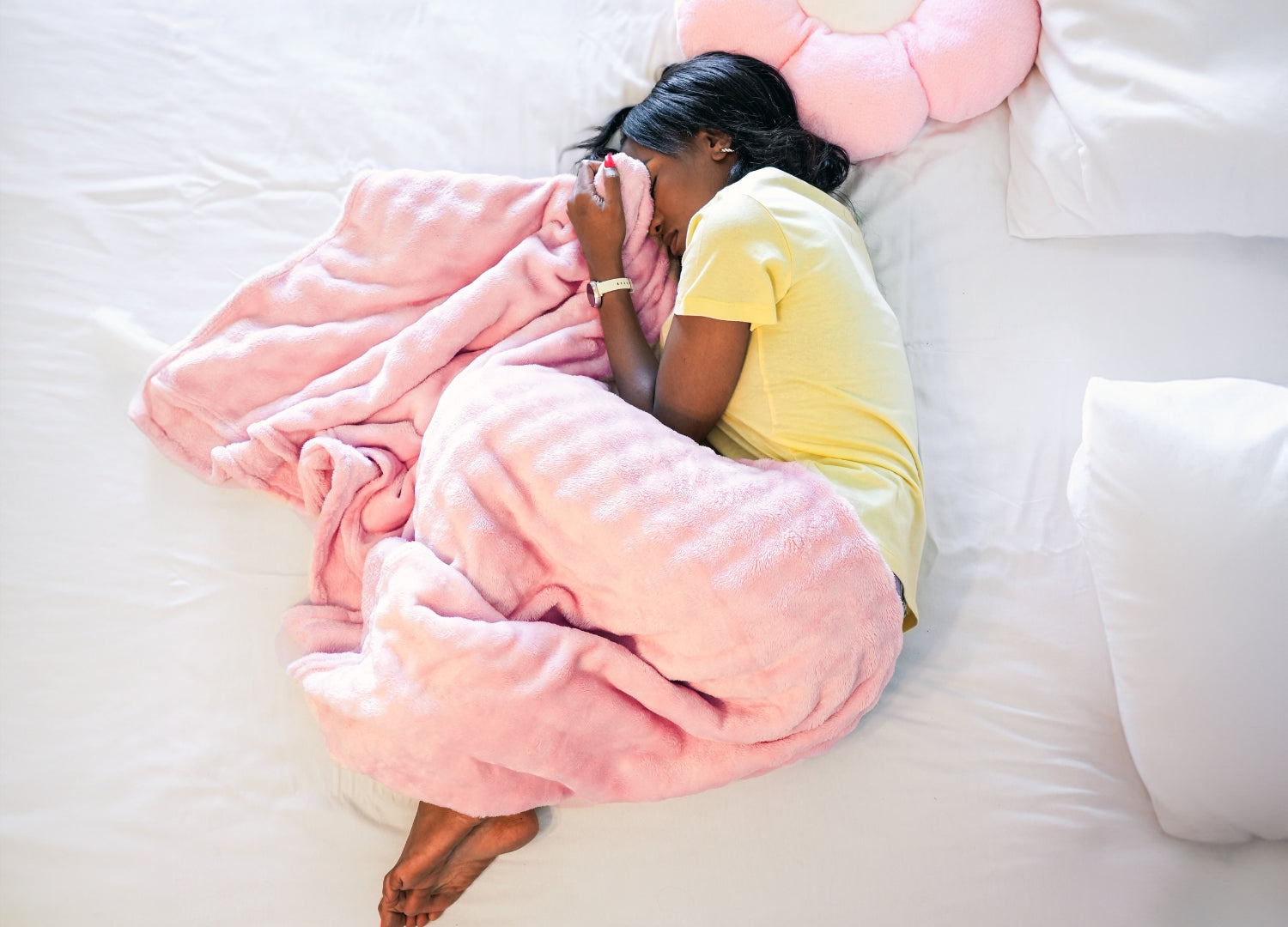
If you’ve ever thought, “Why am I so emotional right now?” in the days before your period, you’re not alone.
For many women, the week or two leading up to menstruation can feel emotionally unpredictable. Irritability, tears that come out of nowhere, low patience, anxiety, or sudden anger aren’t character flaws, they’re biological signals.
Understanding what’s happening hormonally is the first step toward supporting your mood, instead of fighting it every month.
Are Period Mood Swings Normal?
Short answer: yes.
In the second half of your cycle (the luteal phase), estrogen and progesterone begin to fluctuate and eventually drop. These hormones are closely linked to neurotransmitters like serotonin and GABA, the chemicals that help regulate calm, mood, and emotional resilience.
When hormone levels shift quickly, your brain chemistry feels it. That’s why PMS can show up as:
-
Irritability or short temper
-
Feeling overwhelmed or tearful
-
Low motivation or “feeling flat”
-
Strong cravings or comfort-seeking
For some women, these changes are mild. For others, they’re disruptive, especially when combined with stress, poor sleep, blood sugar swings, or underlying hormone imbalances.
When PMS Feels Like More Than “Just PMS”
Some women experience more intense emotional symptoms, sometimes referred to as premenstrual exacerbation, where existing stress, anxiety, or low mood feels amplified before a period.
Others may experience PMDD (premenstrual dysphoric disorder), which is a more severe and less common condition marked by intense mood changes that significantly impact daily life and relationships.
If mood symptoms feel extreme, persistent, or scary, professional support is essential. There is help available, and you don’t need to navigate it alone.
Why Hormones Affect Your Emotions
Hormones don’t just regulate your cycle, they influence how your brain functions.
Estrogen supports serotonin (your “feel good” neurotransmitter).
Progesterone supports calm through GABA.
When these hormones drop:
-
Serotonin can dip: low mood, irritability
-
GABA can drop: anxiety, restlessness
-
Blood sugar instability can worsen mood swings
This is why lifestyle factors like nutrition, sleep, and stress management play such a big role in emotional PMS.
Gentle Ways to Support Your Mood During Your Cycle
Managing period-related mood swings isn’t about “controlling” your emotions, it’s about supporting the systems behind them.
Here are a few hormone-friendly foundations many women find helpful:
Support blood sugar stability
Skipping meals or relying on sugar-heavy snacks can worsen mood swings. Balanced meals help steady both energy and emotions.
Prioritise rest
Sleep deprivation amplifies emotional sensitivity. Your body needs more rest in the second half of your cycle, not less.
Move gently, consistently
Movement supports serotonin and stress regulation. Walking, stretching, or light strength work can be more supportive than intense workouts during PMS.
Reduce stress where possible
Chronic stress increases cortisol, which interferes with progesterone and worsens PMS symptoms. Nervous system support matters.
Support hormone balance
When the body has what it needs hormonally, mood swings often stabilise naturally.

Where Hormone Balance Powder Fits In
Hormone Balance Powder is designed to support the root causes behind PMS mood swings, including blood sugar instability, stress response, and hormone imbalance.
Rather than masking symptoms, it focuses on:
-
Supporting cycle regulation
-
Balancing insulin and energy
-
Supporting mood and mental clarity
-
Reducing PMS intensity over time
It’s not about “fixing” you, it’s about giving your body the tools it needs to feel more stable, month after month.

The Jooce Takeaway
Your emotions during your period aren’t random, they’re not weakness and they’re not something you need to power through in silence.
Mood swings are information. They are signals from your hormones, your nervous system, and your lifestyle. When you learn to support those systems, emotional PMS doesn’t have to run the show.
You deserve to feel steady, supported, and more like yourself, even on your period. And when you start from the inside, everything else gets easier.